


Cultural perspectives on gambling A global exploration of beliefs and practices
Cultural perspectives on gambling A global exploration of beliefs and practices
Understanding Gambling in Different Cultures
Gambling has existed in various forms across cultures for centuries, often tied to local traditions, beliefs, and social structures. In some societies, gambling is seen as a rite of passage or a communal activity that strengthens social bonds. For instance, in many Indigenous cultures, games of chance are integrated into festivals and gatherings, serving not only as entertainment but also as a means of storytelling and cultural expression. As you explore this realm, consider visiting https://www.pottingerindex.com/ezeewallet/ for insights on how eZeeWallet enhances your experience.
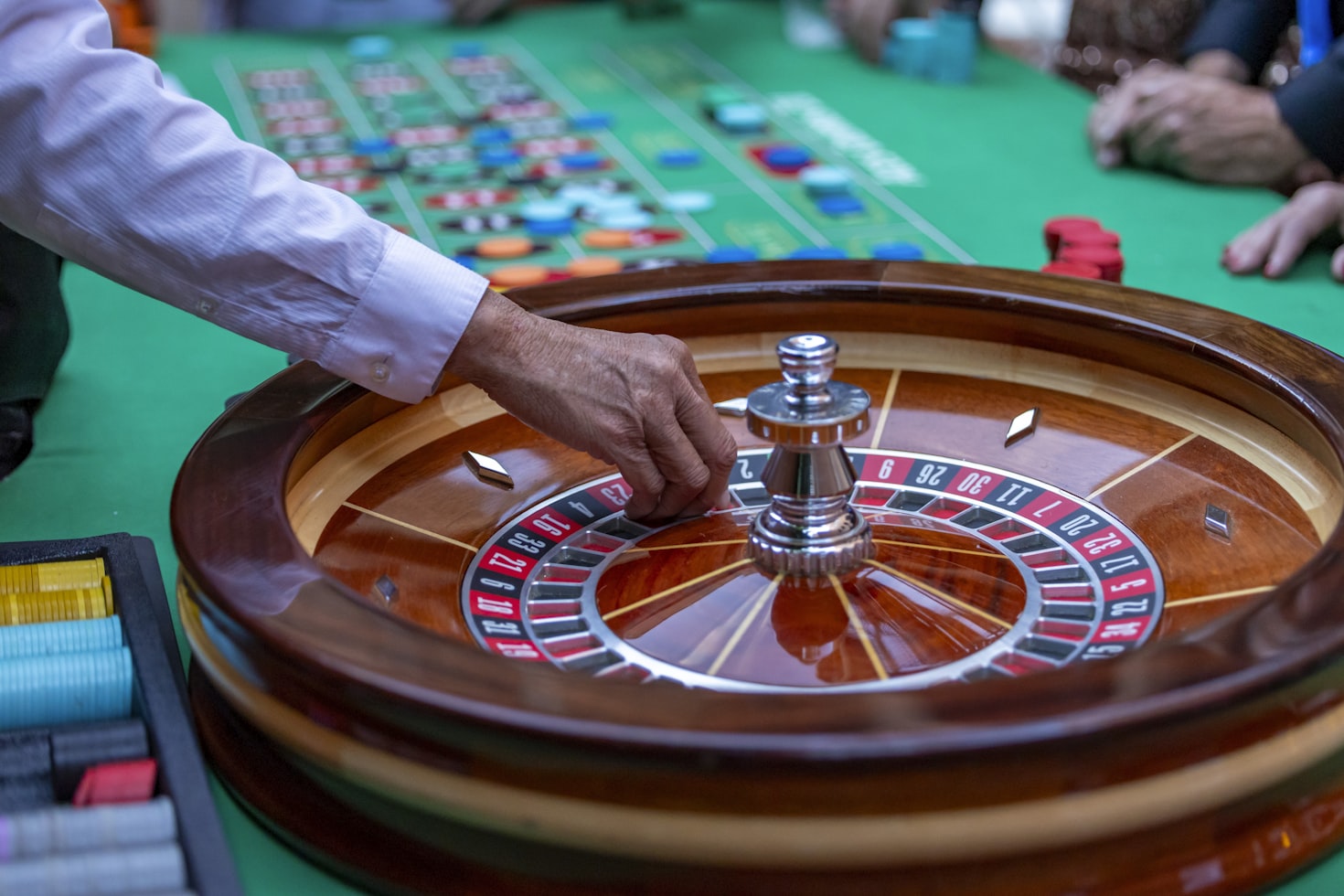
Conversely, in certain regions, gambling may be viewed with skepticism or outright disapproval. This is often influenced by religious beliefs or historical contexts, where it is associated with moral decline or financial ruin. Understanding these diverse perspectives is crucial for anyone looking to engage with gambling practices globally.
Gambling and Religion: A Complex Relationship
The relationship between gambling and religion is intricate and varies widely among different faiths. In some religions, such as Islam, gambling is strictly prohibited, and engaging in it can lead to severe social and spiritual repercussions. On the other hand, certain Christian denominations may adopt a more lenient stance, viewing gambling as a form of entertainment, albeit with caution regarding excessive behavior.
This dichotomy illustrates how religious teachings shape perceptions of gambling. In regions where religious influence is strong, gambling practices are often restricted, and this affects not only personal choices but also the legality and regulation of gambling establishments.
Social Impacts of Gambling Practices
The social implications of gambling are profound and multifaceted. In some cultures, gambling is considered a social equalizer, where individuals from various backgrounds come together to partake in games. This communal aspect can foster relationships and provide a shared experience that transcends social stratifications. However, the negative social impacts cannot be ignored. In societies with high rates of gambling, issues like addiction and financial distress can emerge, leading to strained family relationships and community challenges. The balance between the positive and negative aspects of gambling is a vital conversation in many cultures today.
Modern Gambling Trends and Technology
With the rise of technology, the landscape of gambling is rapidly changing. Online casinos and mobile gaming have become prevalent, offering new ways for individuals to engage in gambling from the comfort of their homes. This shift raises questions about accessibility and the impact on traditional gambling practices.
Different cultures are adapting to these changes in unique ways. In some regions, online gambling is embraced as a modern evolution of traditional practices, while in others, it is met with resistance. This evolution reflects broader societal changes, including attitudes toward technology and individual freedoms.

Exploring a Community of Gamblers
In today’s digital age, communities centered around gambling have emerged, providing platforms for individuals to share experiences, tips, and resources. Websites dedicated to various aspects of gambling, including strategies and reviews of gaming options, create an engaged audience interested in enhancing their understanding and enjoyment of gambling practices. These online communities foster connections among enthusiasts and provide valuable insights into responsible gambling. As the global conversation about gambling continues to evolve, such platforms play a crucial role in shaping perceptions and encouraging a more nuanced understanding of gambling across cultures.