


Exploring the psychology behind casino gambling behavior
The Allure of Risk and Reward
The thrill of casino gambling is deeply ingrained in the human psyche, driven largely by the lure of risk and the possibility of substantial rewards. Many individuals are attracted to the prospect of winning large sums of money with relatively little investment. This adrenaline rush associated with high-stakes gambling can create a powerful emotional experience, making it difficult for players to resist the pull of the non gamstop casinos.
Cognitive biases further enhance this allure. For instance, gamblers often exhibit an illusion of control, believing they can influence outcomes through skill or strategy, even in purely chance-based games. This can lead to overconfidence and an increased likelihood of continued gambling, as players rationalize their losses with the hope of future wins.
The Role of Environmental Factors
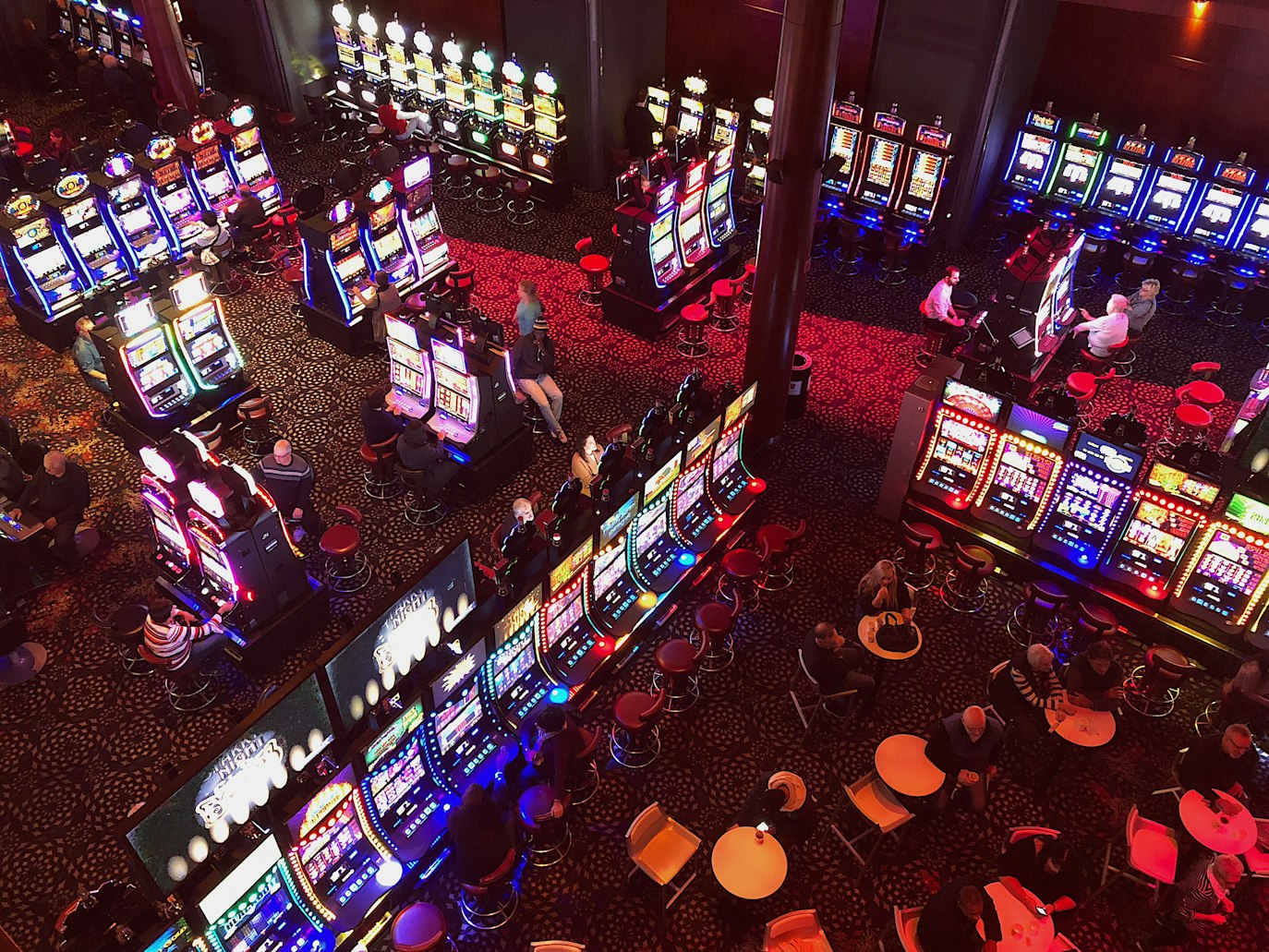
The design and atmosphere of a casino significantly impact gambling behavior. Casinos are strategically designed to create an inviting and stimulating environment that enhances the gambling experience. The use of bright lights, vibrant colors, and engaging sounds can heighten excitement and distract players from their losses. These sensory elements can effectively keep gamblers in a state of heightened arousal, encouraging longer play sessions.
Additionally, the absence of clocks and windows within casinos is a deliberate choice to create a sense of timelessness, allowing gamblers to lose track of time. This design choice can lead to prolonged gambling sessions, as players become immersed in the environment, often at the expense of their financial well-being.
The Psychological Impact of Near-Misses
Research has shown that near-misses in gambling can have a significant psychological impact, reinforcing the desire to continue playing. When a gambler narrowly misses a win, the brain often treats this experience as a victory, triggering a dopamine response similar to winning a prize. This can create a compelling urge to keep playing in hopes of achieving that elusive win.
This phenomenon highlights the complexity of gambling psychology, as players may pursue a perceived ‘luck threshold’ despite accumulating losses. Understanding the psychology behind near-misses can offer valuable insights into why some individuals develop problematic gambling habits, as the emotional high of anticipation becomes a driving force for continued gambling behavior.
The Influence of Social Factors
The social context of gambling can significantly shape an individual’s behavior. Whether it’s the camaraderie of playing alongside friends or the competitive atmosphere of a crowded table, social influences can enhance the overall gambling experience. Many individuals are drawn to casinos for the social interaction, which can make the activity feel more rewarding than it might be in isolation.
Moreover, the normalization of gambling through social circles can reinforce gambling behavior. As friends or family engage in gambling, others may feel encouraged to join in, often downplaying the risks involved. This social acceptance can create a cycle that perpetuates gambling behaviors, making it essential to consider the role of social dynamics in understanding casino gambling psychology.
Understanding Gambling Behavior Through Responsible Tourism
For those looking to explore the world of casinos while maintaining a responsible approach, understanding the psychology behind gambling can be invaluable. Knowledge of the various factors driving gambling behavior can empower individuals to make informed decisions and enjoy the experience without falling victim to its potential pitfalls. Many responsible tourism initiatives emphasize education around gambling and promote awareness of responsible practices.
By considering the psychological aspects of gambling, visitors can appreciate the excitement of casinos while remaining mindful of their limits. This balanced approach not only enhances the enjoyment of the experience but also contributes to a safer and more sustainable tourism environment in regions known for their gambling attractions.