


Recognizing the signs of gambling addiction How to keep yourself safe
Recognizing the signs of gambling addiction How to keep yourself safe
Understanding Gambling Addiction
Gambling addiction, also known as compulsive gambling or gambling disorder, is a behavioral addiction characterized by an uncontrollable urge to gamble despite the negative consequences. This condition can affect individuals from various backgrounds, regardless of age, gender, or financial status. The thrill of winning can quickly escalate into a compulsive behavior that disrupts personal relationships, finances, and overall well-being. Many people are turning to betting online sites as part of their gambling experience, and recognizing the signs is the first step towards regaining control and ensuring safety.
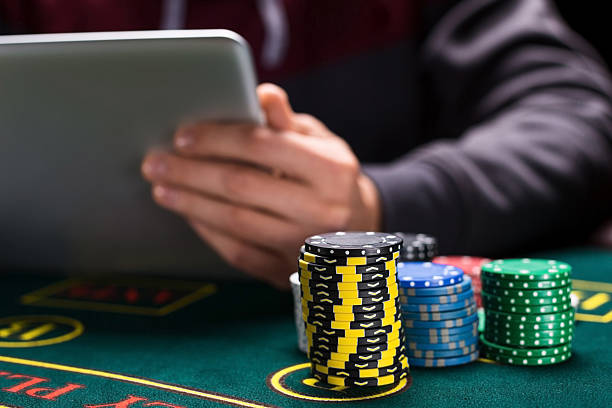
Common signs of gambling addiction include a preoccupation with gambling, feeling restless or irritable when not gambling, and needing to gamble with increasing amounts of money to experience the same level of excitement. Furthermore, many individuals may chase their losses, believing that they can eventually win back what they have lost. This cycle can lead to severe emotional distress and a sense of hopelessness. It’s vital to understand that gambling addiction is not merely a lack of willpower; it is a complex mental health issue that requires attention.
As gambling continues to be easily accessible, especially through online platforms and mobile apps, the risk of addiction increases significantly. Individuals may find themselves gambling more frequently and at higher stakes, often without realizing the potential harm. Understanding the underlying reasons behind compulsive gambling, such as stress or emotional issues, can help in addressing the root causes and fostering healthier coping mechanisms.
Identifying Personal Warning Signs
Being aware of personal warning signs is crucial in combating gambling addiction. Many individuals may dismiss their gambling behavior as harmless entertainment, yet it is essential to recognize patterns that may indicate a problem. For instance, if you find yourself lying about the amount of time or money spent gambling, this may be an indicator of a deeper issue. Additionally, if gambling begins to interfere with work, family obligations, or personal health, it is time to take a step back and assess the situation.
Another significant warning sign is the emotional state surrounding gambling. If you feel anxious or depressed when not gambling, or if gambling serves as an escape from your daily problems, these feelings can signal a developing addiction. Understanding the motivations behind your gambling, whether it’s for excitement, stress relief, or social acceptance, can help in recognizing when it has crossed a line into addiction.
It’s important to keep a journal or log of your gambling habits. Documenting your thoughts, feelings, and behaviors associated with gambling can provide insight and help identify problematic trends. By reflecting on this information, you can gain a better understanding of your relationship with gambling and make informed choices about your future.
Setting Boundaries to Stay Safe
Establishing boundaries is an essential strategy in maintaining a healthy relationship with gambling. Setting limits on the amount of time and money you can spend gambling can help prevent potential addiction. For example, consider allocating a specific budget for gambling activities that you can afford to lose, and stick to it rigorously. Once this budget is exhausted, refrain from further gambling, regardless of the temptation to continue.
Additionally, consider implementing time restrictions on your gambling activities. Setting a timer or scheduling specific days for gambling can help you avoid excessive participation. If you find it challenging to stick to these self-imposed rules, it may be time to evaluate your motivations for gambling and the potential risks involved.
Involving family or friends in your gambling habits can provide an additional layer of accountability. Share your goals and boundaries with trusted individuals who can help monitor your gambling behaviors. They can offer support and encouragement, ensuring you remain aware of your limits while providing assistance if you begin to stray from your established boundaries.
Seeking Help and Support
If you or someone you know is struggling with gambling addiction, seeking help is vital. Numerous support systems and resources are available, including counseling services, support groups, and hotlines dedicated to helping individuals overcome gambling addiction. Organizations such as Gamblers Anonymous provide a safe space for individuals to share their experiences and learn coping strategies from others who understand their struggles.
Professional counseling can also be beneficial, as therapists trained in addiction can help address underlying issues contributing to gambling behaviors. Cognitive-behavioral therapy (CBT) is particularly effective in helping individuals change unhealthy thought patterns related to gambling. Through therapy, individuals can develop healthier coping mechanisms and strategies to manage stress and anxiety without resorting to gambling.
Moreover, educational programs about the risks of gambling can empower individuals with knowledge. Understanding the psychological aspects of addiction can equip individuals with the tools to recognize their triggers and prevent relapse. Awareness is key, and by actively seeking help, individuals can reclaim their lives and improve their overall well-being.

Your Resource for Understanding Gambling Addiction
Our website serves as an invaluable resource for individuals seeking to understand and combat gambling addiction. We provide comprehensive information, educational articles, and support resources tailored to help you recognize the signs and take proactive steps toward recovery. Whether you are struggling with gambling yourself or looking to support a loved one, our platform offers insights and guidance that promote awareness and safety.
We also connect users with relevant support organizations and professionals who specialize in gambling addiction treatment. By fostering an understanding community, we aim to create a supportive environment where individuals can share their experiences, find solace, and work towards recovery together. Remember, acknowledging the problem is the first step towards a healthier, more fulfilling life away from the grip of gambling addiction.